



How to Make Money with CNC Machines
The growing demand for precision manufacturing and customized products has created new business opportunities for entrepreneurs and manufacturers. From automotive components to personalized jewelry, CNC machines can produce a wide variety of products while maintaining consistent quality and repeatability.
You can make money with CNC machines by manufacturing custom products, offering CNC machining services, producing precision components, or providing prototyping solutions. The key to profitability is choosing the right equipment, finding customers with reliable demand, and managing production costs effectively.
Whether you plan to start a small CNC business or expand an existing manufacturing operation, understanding which products to make, how to price machining jobs, and where to find customers can help you build a sustainable business.
This guide explores profitable CNC business opportunities across different industries and provides practical advice on equipment selection, machining costs, and business growth.
How Can CNC Machines Generate Income?
CNC (Computer Numerical Control) machines use programmed instructions to control cutting tools and manufacture parts with precision and repeatability. Common equipment includes CNC lathes, milling machines, and routers, each suited to different materials, geometries, and production requirements.
For entrepreneurs, the value of CNC technology lies in its ability to turn designs into marketable products and manufacturing services.
Common Ways to Make Money with CNC Machines
There are three primary business models for generating income through CNC machining:
- Custom Product Manufacturing: Create personalized furniture, decorative items, signs, jewelry, or other products for individual and commercial customers.
- CNC Machining Services: Manufacture components according to customer drawings and specifications, including prototypes, replacement parts, and small-batch orders.
- Production Contracts: Supply precision components to manufacturers that require consistent quality, repeatability, and reliable delivery.
Each business model has different equipment, staffing, marketing, and investment requirements.
For example, CNC routers can be suitable for furniture, woodworking, and signage businesses, while CNC lathes and milling machines are commonly used to manufacture industrial metal components.
Choosing the right business model is the first step toward making a CNC investment profitable.
5 Profitable CNC Business Opportunities
CNC machines support businesses across many industries. However, profitability depends not only on what a machine can produce but also on customer demand, production efficiency, material costs, and pricing.
The following five industries offer different opportunities for entrepreneurs looking to generate income through CNC technology.
1. Metalworking: Manufacture Precision Parts and Offer Machining Services
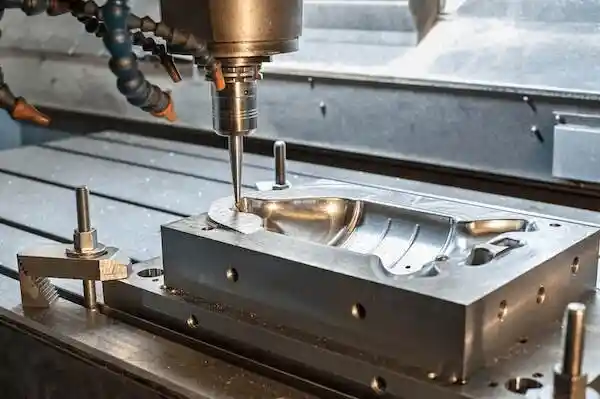
The metal processing industry provides opportunities for CNC businesses because many manufacturers require components with specific dimensions, tolerances, and material properties.
CNC lathes and milling machines can manufacture parts for automotive, industrial equipment, aerospace, and other engineering applications.
Manufacturing High-Precision Metal Parts
You can produce shafts, bushings, brackets, housings, and other machined components for businesses that need consistent quality.
Customers may require individual replacement parts, prototype components, or recurring production batches.
For specialized components, maintaining the required tolerances, surface finishes, and delivery schedules can help establish long-term customer relationships.
Providing Custom CNC Machining Services
Many companies need precision parts but do not have the equipment or production capacity to manufacture everything internally.
A CNC machining business can serve these customers by offering:
- Custom turning and milling services
- Small-batch component production
- Replacement part manufacturing
- Machining based on technical drawings
- Prototype and engineering support
Instead of depending entirely on selling finished products, you can generate revenue by charging for machining services.
Targeting Industrial Customers
Automotive suppliers, machinery manufacturers, equipment maintenance companies, and engineering businesses can be potential customers for CNC machining services.
To remain profitable, evaluate each project based on machining time, material costs, tooling requirements, inspection needs, and production volume.
2. Woodworking: Sell Custom Furniture and Decorative Products
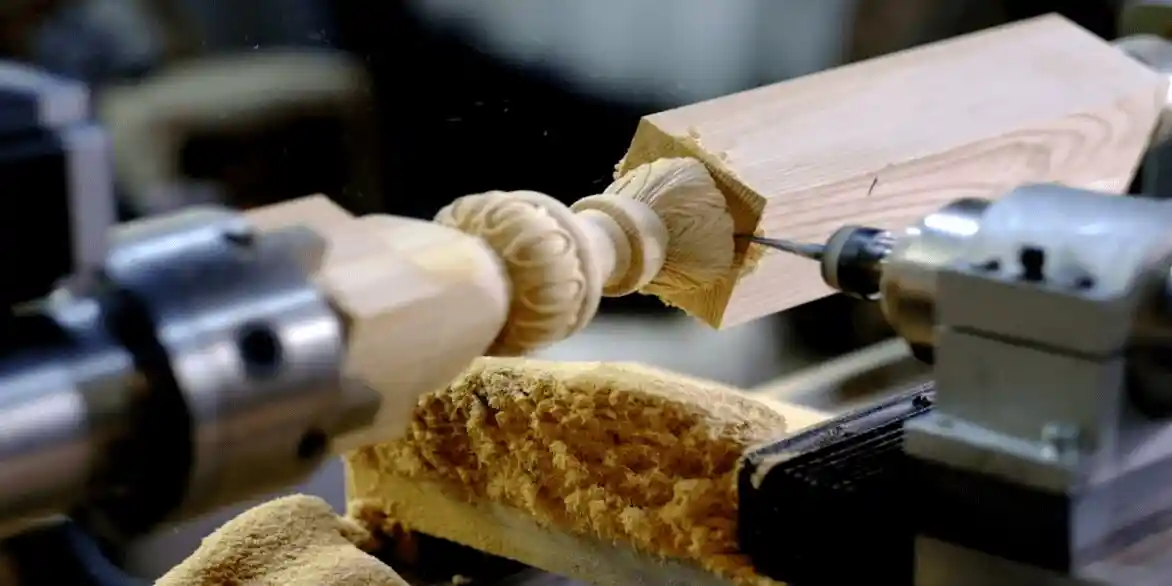
CNC routers create opportunities in woodworking by automating cutting, carving, drilling, and engraving operations.
Businesses can use these machines to manufacture customized wooden products while maintaining consistent dimensions and designs.
Creating Custom Furniture and Cabinets
You can produce cabinet components, furniture panels, doors, shelves, and decorative wooden pieces for homeowners, interior designers, and furniture businesses.
Custom orders allow customers to request specific dimensions, materials, and designs.
A business can generate income by supplying finished products or providing machining services to furniture manufacturers.
Carving Personalized Wooden Products
CNC routers can produce decorative panels, engraved gifts, wall art, and other personalized items.
These products can be marketed through online stores, local retailers, or direct customer orders.
However, selling prices should account for material waste, machine time, finishing, packaging, and shipping.
Offering CNC Woodcutting Services
Not every woodworking business owns a CNC router.
You can provide cutting, routing, and engraving services to local carpenters, furniture workshops, and sign manufacturers.
Building relationships with businesses that require regular cutting services can provide a more predictable source of orders.
3. Jewelry Making: Produce Custom and Detailed Designs
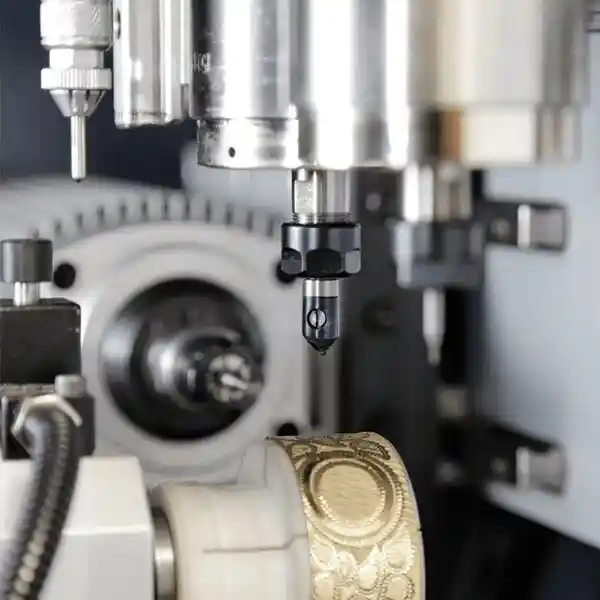
CNC machining offers opportunities in jewelry manufacturing, particularly for businesses producing customized designs and precision components.
Depending on the material and design, specialized CNC milling or engraving equipment can be used to machine jewelry components, molds, or patterns.
Creating Custom Jewelry Designs
You can manufacture personalized rings, pendants, decorative components, and other jewelry items according to customer specifications.
Custom products allow businesses to offer different designs, sizes, and finishes.
Jewelry workshops can also use CNC technology to improve repeatability when manufacturing multiple pieces of the same design.
Producing Complex Details
Some jewelry designs contain intricate patterns and small geometric features that are difficult to produce consistently using manual methods.
Suitable CNC equipment can improve manufacturing consistency, although the achievable detail depends on machine precision, tool size, material properties, and finishing requirements.
Finding Customers for Custom Jewelry
Potential customers include jewelry retailers, independent designers, specialized workshops, and individual buyers.
Businesses can generate revenue through direct product sales, custom manufacturing, or subcontracted machining services.
Before investing, consider the machine's suitability for jewelry materials and the additional equipment required for polishing, finishing, or other production operations.
4. Sign Making: Produce Custom Signs and Commercial Displays
The sign-making industry provides opportunities for CNC businesses because companies regularly need customized branding, displays, and decorative lettering.
CNC routers and suitable engraving equipment can process materials such as wood, plastics, and certain metals, depending on machine capabilities.
Manufacturing Custom Signs and Logos
You can manufacture storefront signs, office signage, dimensional letters, and decorative displays.
Customers often require specific shapes, dimensions, and branding elements, creating opportunities for made-to-order production.
Providing Personalized Signage Services
Potential customers include retail stores, restaurants, event organizers, offices, and commercial property owners.
A CNC business can provide individual products or work with advertising agencies and sign companies that outsource manufacturing.
Offering Material Cutting and Engraving
In addition to manufacturing finished signs, you can provide cutting and engraving services for other businesses.
For example, a sign manufacturer may outsource the CNC machining of acrylic panels or wooden letters while handling design, painting, and installation internally.
This approach allows your business to focus on manufacturing without managing every stage of the final product.
5. Rapid Prototyping: Provide CNC Services for Product Development
Rapid prototyping can be a valuable business opportunity for companies equipped to manufacture accurate parts from technical drawings or digital models.
Engineering teams often require physical components to evaluate product designs before mass production.
Manufacturing Functional Prototypes
CNC machining can produce functional prototypes using engineering materials such as aluminum, steel, and engineering plastics.
These components can help customers evaluate mechanical fit, assembly requirements, and product functionality.
Unlike some additive manufacturing processes, CNC machining removes material from stock and can produce parts with properties representative of the chosen bulk material.
Offering Prototyping Services to Startups and Engineers
Product developers, engineering firms, startups, and research teams may outsource prototype manufacturing instead of investing in their own equipment.
You can provide prototype machining, design-for-manufacturing feedback, and low-volume production services.
Supporting Small-Batch Production
After prototype validation, some customers may require limited production quantities before scaling up manufacturing.
Offering both prototyping and small-batch CNC machining services can help maintain relationships as customer projects develop.
However, prototype work may require extensive programming, multiple setups, and careful inspection. These costs should be included in quotations.
How to Choose the Right CNC Machine for Your Business
Selecting the right equipment is an important factor in CNC business profitability.
A machine should match the materials, component dimensions, accuracy requirements, and production volumes of your target market.
Match the Machine to Your Business Model
| CNC Machine Type | Suitable Business Opportunities |
|---|---|
| CNC Lathe | Shafts, bushings, turned components, industrial replacement parts |
| CNC Milling Machine | Precision metal parts, molds, mechanical components, prototypes |
| CNC Router | Furniture, woodworking, signage, decorative products |
| CNC Machining Center | Complex components, multi-operation machining, recurring industrial orders |
A CNC router may be a practical option for a woodworking or sign-making business, while an industrial machining center may be more suitable for manufacturers handling complex metal components.
Before purchasing equipment, consider the available working area, spindle capabilities, machine rigidity, tooling requirements, production capacity, and after-sales support.
It is also important to evaluate whether the machine can meet customers' actual machining tolerances and surface finish requirements.
Choosing equipment based on confirmed customer needs is generally more practical than investing in capabilities that may not generate sufficient orders.
How to Calculate CNC Machining Costs and Profit
Owning a CNC machine does not automatically guarantee profitability.
To make money consistently, businesses must understand the actual cost of producing each part and establish prices that cover operating expenses.
Identify Your Main Machining Costs
Common CNC machining expenses include:
- Materials: Metal, wood, plastic, or other stock required for production.
- Machine Time: Equipment operating costs, depreciation, energy, and maintenance.
- Labor: Programming, setup, operation, inspection, and finishing.
- Tooling: Cutting tools, tool wear, and replacement expenses.
- Overhead: Rent, utilities, administration, and other business expenses.
Additional costs may include outsourced surface treatments, packaging, shipping, scrap, and rework.
Calculate Profit for Each CNC Job
A simplified profit calculation is:
Job Profit = Selling Price − Total Job Cost
For example, consider a hypothetical CNC machining order with the following costs:
| Cost Item | Amount |
|---|---|
| Materials | $150 |
| Machine and tooling costs | $180 |
| Labor | $120 |
| Allocated overhead | $50 |
| Total Job Cost | $500 |
| Selling Price | $700 |
| Estimated Job Profit | $200 |
In this example, the job generates an estimated profit of $200 before any additional costs not included in the calculation.
This is an illustrative calculation, not a benchmark for typical CNC machining profitability.
Actual results depend on equipment utilization, production complexity, machine efficiency, local operating expenses, and customer pricing.
Improve Profitability Through Efficient Production
Businesses can improve profitability by reducing unnecessary setup time, minimizing material waste, selecting suitable cutting tools, and maintaining machines properly.
For repeated orders, standardized processes and efficient production scheduling can help reduce the cost per part.
However, faster machining should not compromise dimensional accuracy, surface finish, or tool life.
How to Find Customers and Grow Your CNC Business
Finding reliable customers is just as important as selecting the right machine.
A CNC business needs a consistent flow of profitable orders to support equipment investment and operating expenses.
Target Customers Who Need CNC Machining Services
Different industries require different machining capabilities.
For example, industrial manufacturers may need precision metal components, while furniture companies may outsource wooden panel cutting.
Identify potential customers based on the services your equipment can provide, rather than targeting every industry.
Specializing in a defined range of materials, parts, or machining operations can also help you communicate your capabilities more clearly.
Promote Your CNC Products and Services
You can attract customers through a professional website, online product listings, manufacturing directories, and direct business outreach.
Show potential customers what your equipment can manufacture by providing useful information such as:
- Supported materials and machining processes
- Maximum workpiece dimensions
- Achievable tolerances under specified conditions
- Examples of completed components
- Available production quantities and finishing options
Accurate technical information can help customers determine whether your services meet their requirements.
Build Long-Term Manufacturing Partnerships
Repeat business can improve order predictability and reduce the need to find new customers for every project.
Develop relationships with machinery manufacturers, product designers, maintenance companies, and other businesses that regularly require CNC components.
Reliable quality, transparent communication, and consistent delivery are important for maintaining these relationships.
As demand grows, consider expanding production capacity only after evaluating machine utilization, available labor, and the financial requirements of additional equipment.
Frequently Asked Questions About Making Money with CNC Machines
Q:Can You Make Money with a CNC Machine?
A:Yes. CNC machines can generate income through custom product manufacturing, machining services, precision component production, and prototyping. Profitability depends on customer demand, pricing, equipment capabilities, and effective cost management.
Q:Which CNC Machine Is Best for Starting a Business?
A:The best machine depends on your target products and customers. CNC routers are commonly used for woodworking and signage, while CNC lathes and milling machines are better suited to many industrial metalworking applications.
Q:How Much Does It Cost to Start a CNC Business?
A:Startup costs vary significantly depending on the machine type, size, automation level, tooling, workspace, and supporting equipment. Businesses should also budget for materials, software, maintenance, labor, and working capital.
Q:What Are the Most Profitable CNC Products?
A:Potentially profitable products include specialized precision parts, custom furniture, personalized signs, jewelry components, and prototypes. No product category guarantees high profit; actual profitability depends on demand, competition, production costs, and selling prices.
Q:How Can I Find Customers for CNC Machining Services?
A:You can reach potential customers through a business website, manufacturing directories, direct outreach, industry relationships, and referrals. Providing clear machining capabilities, sample projects, and reliable quotations can help attract suitable orders.
Conclusion
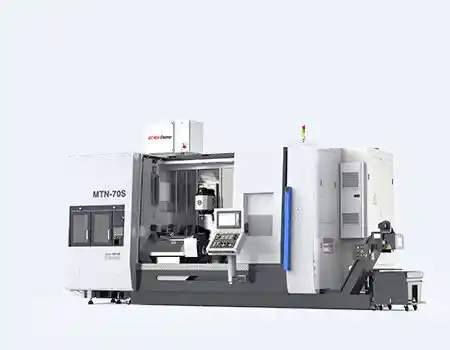
CNC machines offer multiple ways to generate income, including precision metalworking, woodworking, jewelry manufacturing, sign making, and rapid prototyping.
However, building a profitable CNC business requires more than purchasing equipment. Entrepreneurs must identify products or services with reliable demand, select suitable machines, calculate production costs, and develop long-term customer relationships.
By matching CNC capabilities with specific market needs and managing production efficiently, businesses can build a stronger foundation for sustainable growth.
If you are planning to invest in CNC equipment or expand your manufacturing capacity, MINNUO can help you explore machine options suited to your machining requirements and production goals.

 Email
 sales1: +86 15312799623