



How dimensionally accurate are 3D printed parts?
Compared with many traditional manufacturing processes, 3D printing provides greater design freedom but introduces additional variables that affect dimensional accuracy. It is now used not only for prototypes but also for aerospace, automotive, medical, and industrial parts. In these applications, the dimensional accuracy of 3D printed parts directly affects fit, function, reliability, and production cost.
The dimensional accuracy of 3D printed parts commonly ranges from about ±0.05 mm to ±0.5 mm, although the achievable tolerance depends on the printing process, part size, geometry, material, machine condition, build orientation, and post-processing.** A tolerance quoted for a small test coupon should not be assumed to apply unchanged to a large or complex production part.
This article compares the dimensional accuracy of major 3D printing technologies and explains how material selection, printer calibration, build settings, orientation, and post-processing affect the final dimensions of printed parts.
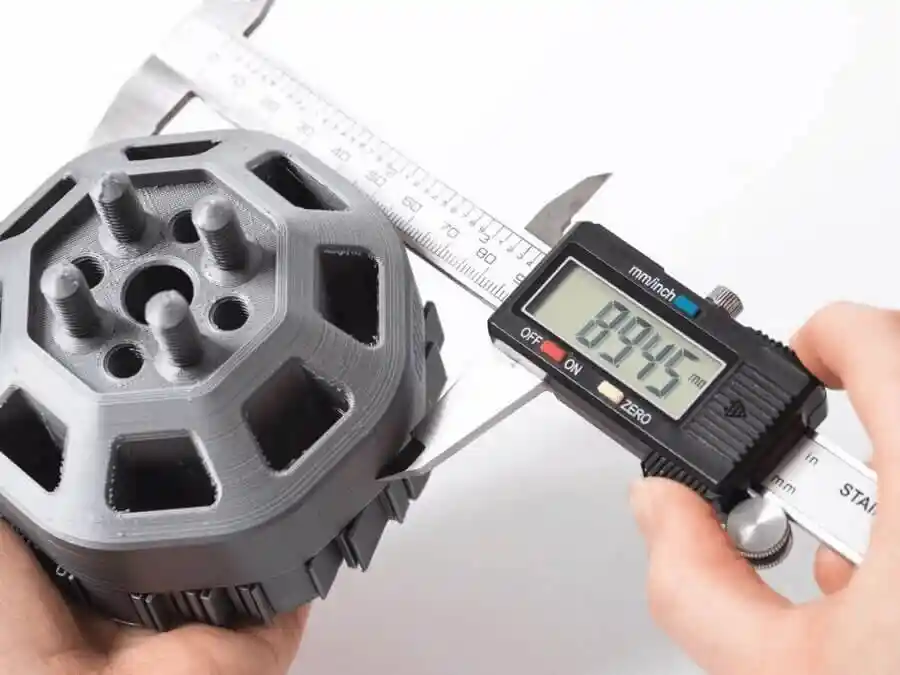
What Is the Dimensional Accuracy of a 3D Printed Part?
Dimensional accuracy refers to the degree to which the dimensions of a 3D printed object align with the specifications in the design model. In other words, it measures how closely the final printed part matches the intended measurements in terms of size, shape, and geometry. Dimensional accuracy is critical for ensuring the part performs as expected in real-world applications, especially for industries that rely on precision such as aerospace, automotive, medical, and manufacturing.
For 3D printed parts, dimensional accuracy is usually reported as a linear tolerance, such as ±0.1 mm, or as a combination of a fixed tolerance and a percentage of nominal length. Smaller deviation means the printed part more closely matches the dimensions specified in the digital design file.
Several factors can affect the dimensional accuracy of a 3D print, including the printing technology, the material used, and the environmental conditions during printing. Thus, achieving high dimensional accuracy often requires fine-tuning various parameters during the printing process.
Dimensional Accuracy of 3D Printed Parts by Technology
The dimensional accuracy of a 3D printed part depends significantly on the type of printing technology employed. Each 3D printing method has its own characteristics and limitations, influencing the final precision of the printed object.
1.1 Fused Deposition Modeling (FDM)
FDM is widely used for prototyping and functional parts. Its dimensional accuracy typically ranges from ±0.1 mm to ±0.5 mm, depending on the printer, material, part size, and geometry. Nozzle diameter, layer height, extrusion flow, print speed, and cooling all influence the result. Because FDM deposits heated filament layer by layer, thermal contraction and inconsistent material flow can produce dimensional variation.
1.2 Stereolithography (SLA)
SLA is known for its high precision, making it ideal for parts that require intricate details and tight tolerances. The accuracy of SLA prints can be as fine as ±0.05 mm, depending on the printer and resin used. This technology uses ultraviolet (UV) light to cure liquid resin layer by layer, allowing for highly accurate parts. However, even with SLA, some dimensional inaccuracies can arise due to factors like the resin curing process and post-processing steps such as washing and curing the print.
1.3 Selective Laser Sintering (SLS)
SLS technology uses a high-powered laser to sinter polymer powder, commonly nylon, layer by layer. The dimensional accuracy of SLS prints generally ranges from ±0.1 mm to ±0.3 mm, though it can vary depending on factors such as the powder material and machine calibration. SLS parts tend to have good mechanical properties and can handle complex geometries, but shrinkage and slight warping may still occur during the sintering process, impacting overall accuracy.
1.4 PolyJet and MultiJet Modeling (MJM)
PolyJet and MJM technologies are capable of producing highly detailed prints with an accuracy of ±0.05 mm. These technologies use inkjet-like print heads to spray photopolymer materials, which are cured by UV light. The fine layer resolution and multi-material capability make these methods ideal for producing small, intricate parts or prototypes that require high dimensional accuracy. However, dimensional inconsistencies can arise from the curing process and material properties.
1.5Direct Metal Laser Sintering (DMLS)
DMLS is a metal 3D printing technology that uses a laser to fuse metal powder. The accuracy of DMLS prints typically ranges from ±0.05 mm to ±0.2 mm, with factors such as material choice, layer height, and post-processing (like support removal and heat treatment) affecting the final result. DMLS is often used in industries requiring metal parts with complex geometries, but issues like thermal distortion or shrinkage can affect the dimensional accuracy of the final part.
Other Factors That Affect 3D Printed Part Accuracy
While the 3D printing technology itself plays a significant role in determining the dimensional accuracy of a part, several other factors can influence the final outcome. These factors are often interrelated and can have a substantial impact on the precision and quality of the printed part. Below are some of the most common factors that affect dimensional accuracy:
2.1 Material Properties
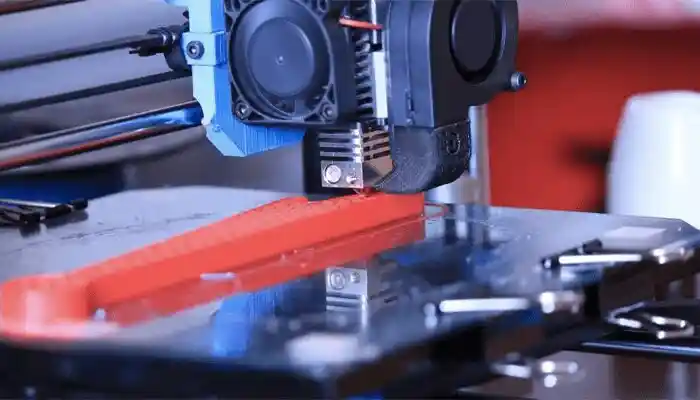
The material used in 3D printing directly affects dimensional accuracy. Thermal expansion, viscosity, melt flow, moisture absorption, curing behavior, and residual stress influence how a material behaves during printing and cooling. Thermoplastics such as PLA, ABS, and nylon contract at different rates and may warp or distort. Metal powders and photopolymer resins also undergo thermal or curing-related dimensional changes, so their process parameters and post-processing must be controlled carefully.
2.2 Printer Calibration
Printer calibration is crucial for ensuring dimensional accuracy. A 3D printer must be properly calibrated for factors like bed leveling, nozzle height, and the correct extrusion rate. If the printer’s settings are not aligned properly, the printed part may come out with irregularities such as misaligned layers, inconsistent wall thickness, or poor surface finish. Regular maintenance and calibration are essential to keep the printer working within its specified tolerances.
2.3 Environmental Conditions
Environmental factors such as temperature, humidity, and air circulation can also affect the dimensional accuracy of 3D printed parts. For instance, temperature fluctuations in the printing room can cause warping, especially when printing with materials prone to thermal contraction. Similarly, high humidity can affect the moisture content in materials, leading to problems such as swelling or inconsistent printing results.
2.4 Layer Height and Resolution
The resolution and layer height settings influence surface detail and dimensional accuracy. A smaller layer height can improve vertical resolution and surface finish, but it does not automatically improve accuracy in every axis. XY accuracy is also limited by nozzle diameter, optical spot size, pixel size, motion control, and material behavior. Finer layers increase printing time, so layer height should be selected according to the critical dimensions and the printer's validated capability.
2.5 Print Speed
Print speed is another important factor in dimensional accuracy. Faster printing speeds may lead to reduced precision because the printer head has less time to settle in place before moving to the next position. This can cause inconsistencies in the printed layer, affecting the part's overall dimensions. Slower print speeds, while improving accuracy, can significantly increase the printing time, so a balance must be maintained to achieve both efficiency and quality.
2.6 Post-Processing
After a 3D print is completed, post-processing steps such as support removal, sanding, polishing, and heat treatment can all affect the final dimensions of the printed part. For instance, parts that undergo heat treatment to relieve internal stresses may experience some shrinkage or dimensional changes. Similarly, support removal can sometimes result in slight surface irregularities, especially if the supports are removed too aggressively or improperly.
2.7 Support Structures and Orientation
The way a part is oriented on the print bed and the choice of support structures can have a significant impact on the dimensional accuracy. If a part is oriented incorrectly, it may lead to uneven cooling, resulting in warping or distortion. Additionally, poorly designed support structures may leave marks or cause inaccuracies in areas where the supports were attached. The optimal orientation and proper use of support structures are critical for minimizing these effects.
How to Improve the Dimensional Accuracy of 3D Printed Parts
The following methods can improve the dimensional accuracy of 3D printed parts:
Design for the Process: Avoid unsupported details and wall thicknesses below the printer's validated limit. Add machining allowance to critical interfaces when post-machining is planned.
Optimize the Build File: Use a watertight model and sufficiently fine tessellation so that file conversion does not introduce measurable chordal error.
Regularly Calibrate the Printer: Check bed alignment, axis motion, nozzle or optical system condition, extrusion flow, and dimensional scaling. Print and measure a calibration artifact before critical production runs.
Use Support Structures: For complex parts, use support structures to prevent deformation. Be cautious when removing supports to avoid damaging parts.
Stabilize the Temperature Environment: Use heated beds or heated chambers to maintain a consistent temperature and reduce thermal gradients and contraction that can cause deformation.
Adjust Print Settings: Adjust print speed, layer height, and extrusion rate according to requirements. Avoid excessive speeds or extrusion rates that can compromise accuracy.
Check Hardware: Regularly inspect and maintain the printer's belts, gears, and rails to ensure smooth operation and prevent errors.
How Do Warping and Shrinkage Affect 3D Printed Part Accuracy?
1. Warping:
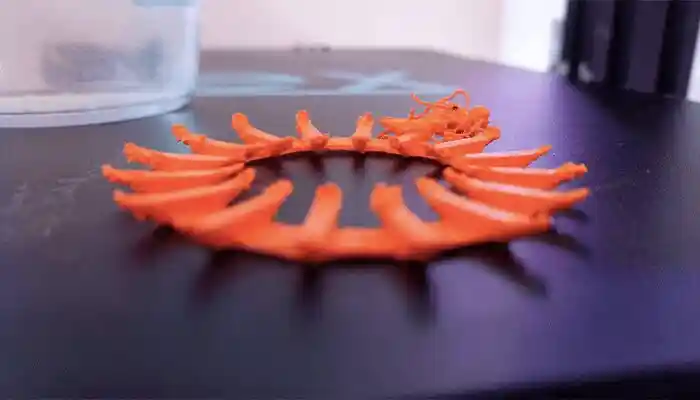
Warping occurs when a 3D printed part deforms due to uneven cooling, particularly at the base. This is often seen when the material shrinks unevenly, causing the part to lift off the build plate.
How to Avoid Warping:
· Use a Heated Print Bed: A heated print bed helps maintain consistent temperature across the part, preventing thermal contraction and adhesion issues.
· Apply Adhesive to the Print Bed: Use adhesives like glue sticks, hairspray, or specialty 3D printing adhesives to improve adhesion and reduce the risk of warping.
· Optimize the First Layer Settings: Ensure the first layer is printed slowly with adequate extrusion to provide a solid foundation. Lowering the first layer height can also improve bed adhesion.
· Control Print Temperature: Ensure that the printing temperature is optimal for the material being used. Too high or too low a temperature can exacerbate warping.
· Enclosed Printing Environment: For materials that are more prone to warping (like ABS), use an enclosed print chamber to maintain consistent ambient temperature around the part during printing.
2. Shrinkage:
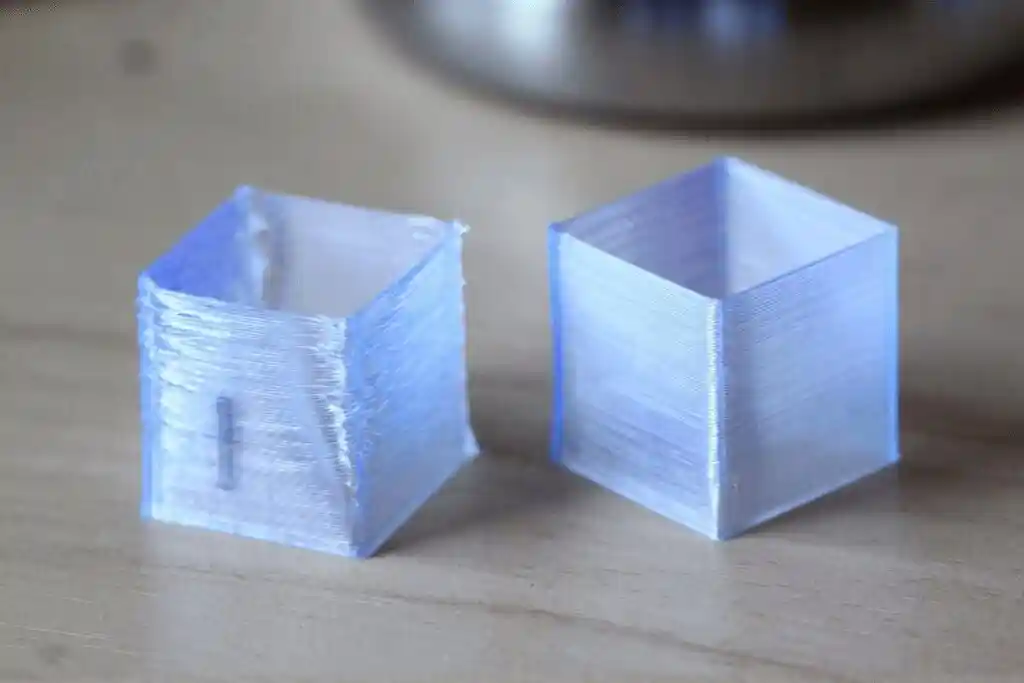
Shrinkage is the reduction in size of a printed object as it cools, often occurring with thermoplastic materials. It can result in parts that are smaller than the intended design or that don't fit together as expected.
How to Avoid Shrinkage:
· Use the Right Material: Select materials with low shrinkage rates. Materials like PLA tend to have minimal shrinkage compared to ABS or Nylon.
· Adjust Cooling Settings: Gradually control cooling rates. Rapid cooling can cause uneven shrinkage, so use slower cooling settings or increase the temperature of the print bed to slow down cooling.
· Increase Wall and Infill Density: Printing with higher infill and thicker walls can help reduce the impact of shrinkage by providing more structural support.
· Calibrate Printer Dimensions: Ensure that the printer is well-calibrated, particularly the extruder, to avoid over or under-extrusion, which can worsen shrinkage issues.
Conclusion: Set Tolerances by Process, Material, and Part Geometry
The dimensional accuracy of 3D printed parts is not defined by technology alone. Printer condition, material behavior, part size, geometry, build orientation, process settings, and post-processing all affect the final result. As a practical reference, common process capabilities may fall between approximately ±0.05 mm and ±0.5 mm, but critical dimensions should be confirmed through a measured sample part rather than a nominal machine specification.
For tight-fit assemblies, define the required tolerance before selecting a printing process, identify critical-to-function dimensions on the drawing, and agree on the inspection method. When additive manufacturing cannot reliably hold the required tolerance, add machining allowance and finish critical holes, sealing faces, or mating surfaces with an appropriate secondary process.If you have any questions about our products or services, feel free to contact MINNUO, and we will provide you with professional solutions.
 Email
 sales1: +86 15312799623