



CNC Machining vs Laser Cutting: Key Differences, Applications, and Benefits for Industrial Manufacturing
CNC machining and laser cutting are distinct processes used in manufacturing. CNC machining involves the use of computer-controlled tools to remove material, while laser cutting utilizes focused laser beams to cut or engrave materials. CNC machining is more versatile with a wide range of materials, whereas laser cutting is highly precise, making it ideal for thin materials and intricate designs.
1. Definition
CNC Machining:
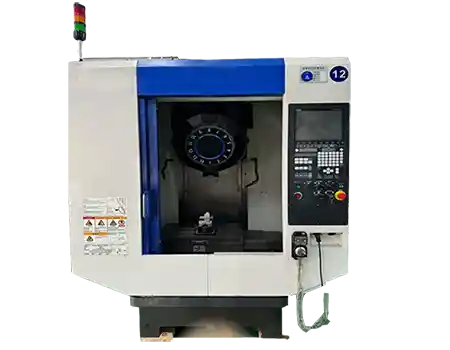
CNC (Computer Numerical Control) machining is a manufacturing process where pre-programmed computer software controls the movement of tools and machinery. This technique uses cutting tools to remove material from a workpiece to achieve desired shapes and sizes. CNC machining is highly versatile, capable of producing complex parts with tight tolerances.
Laser Cutting:
Laser cutting is a thermal-based process that uses a high-powered laser beam to cut or engrave materials. The laser melts, burns, or vaporizes the material to achieve precise cuts. Laser cutting is typically used for sheet metal, plastics, and other thin materials, offering intricate detail and high accuracy.
2. Process Explanation
CNC Machining Process:
- Design Creation: A CAD (Computer-Aided Design) model is created, outlining the part's dimensions and specifications.
- Programming: The CAD model is converted into CNC-compatible code (G-code) that guides the machine’s movements.
- Material Setup: The workpiece is secured on the CNC machine's bed.
- Cutting/Removal: A tool, such as a milling cutter or lathe, removes material as the machine follows the programmed instructions.
- Finishing: Additional processes like polishing, grinding, or drilling may be applied to achieve the desired surface finish and tolerances.
Laser Cutting Process:
- Design Creation: Similar to CNC, a CAD model is used to design the part.
- Laser Beam Calibration: The laser’s focus, power, and speed are adjusted based on material type and thickness.
- Cutting: The laser beam is directed onto the material's surface, where it melts, vaporizes, or burns through the material to form a precise cut.
- Post-Processing: Depending on the application, additional processes such as cleaning or engraving may be performed.
3. Technical Specifications
| Feature | CNC Machining | Laser Cutting |
|---|---|---|
| Materials | Metals, plastics, wood, composites | Metals, plastics, ceramics |
| Precision | ±0.001 inches or better | ±0.005 inches or better |
| Thickness | Suitable for thick and heavy materials | Ideal for thin materials (up to 20mm) |
| Speed | Moderate | High (fast cutting speeds) |
| Surface Finish | Smooth, depends on tooling | Smooth, with some dross or edges |
| Cost | Higher setup costs, lower per part | Lower setup costs, higher per part |
4. Advantages and Disadvantages
CNC Machining:
Advantages:
- Versatility: Capable of machining a wide range of materials and thicknesses.
- Precision: High precision with tight tolerances, ideal for complex geometries.
- Material Variety: Can handle metals, plastics, ceramics, and composite materials.
Disadvantages:
- Slow Speed: Compared to laser cutting, CNC machining can be slower, especially for large batches.
- Higher Tool Wear: Cutting tools are subject to wear, leading to increased maintenance.
- More Expensive Setup: CNC machines require significant upfront investment and specialized tooling.
Laser Cutting:
Advantages:
- High Speed: Faster than CNC machining, particularly for thin materials.
- Precision: Offers fine, intricate cuts with minimal distortion.
- No Tool Wear: Unlike CNC machining, laser cutting does not require physical contact with the material, reducing tool wear.
Disadvantages:
- Limited Material Thickness: Laser cutting is typically best suited for thin materials (less than 20mm).
- Thermal Distortion: Can cause thermal damage to materials, especially metals.
- Less Material Versatility: While suitable for many metals and plastics, it is less versatile than CNC machining for some materials.
5. Industrial Applications
CNC Machining Applications:
- Aerospace: Precision parts, such as engine components and structural elements.
- Automotive: Engine blocks, transmission parts, and custom components.
- Medical Devices: Surgical tools, implants, and precision medical components.
- Tooling and Dies: Molds, dies, and other tooling for manufacturing processes.
Laser Cutting Applications:
- Sheet Metal Fabrication: Cutting complex shapes from sheet metal.
- Electronics: Engraving and cutting precision components such as circuit boards.
- Signage and Branding: Creating logos, signs, and detailed patterns.
- Aerospace: Cutting thin materials used in high-performance aircraft parts.
6. Comparison with Alternatives
Both CNC machining and laser cutting are compared to other industrial methods like water jet cutting and EDM (Electrical Discharge Machining):
- Water Jet Cutting: More versatile than laser cutting when dealing with thick materials but slower.
- EDM: Ideal for intricate parts and hard metals but requires more time and cost.
- CNC vs. Laser: CNC machining excels with thicker materials and complex parts, while laser cutting offers faster speeds and finer details for thinner materials.
7. Data Tables
Material Thickness vs Cutting Speed:
| Material Type | CNC Machining Speed (in/min) | Laser Cutting Speed (in/min) |
|---|---|---|
| Steel (0.25") | 4–6 | 10–15 |
| Aluminum (0.5") | 3–5 | 6–10 |
| Stainless Steel | 2–4 | 4–7 |
| Acrylic (0.125") | 8–12 | 25–30 |
Common Materials for CNC Machining and Laser Cutting:
| Material Type | CNC Machining | Laser Cutting |
|---|---|---|
| Stainless Steel | Yes | Yes |
| Aluminum | Yes | Yes |
| Carbon Steel | Yes | Yes |
| Titanium | Yes | No |
| Acrylic | Yes | Yes |
| Wood | Yes | No |
8. FAQ Section
1. What is the primary difference between CNC machining and laser cutting?
CNC machining involves removing material using tools, while laser cutting uses a focused laser beam to cut or engrave material. CNC is versatile and suitable for thicker materials, while laser cutting excels with thin materials and intricate designs.
2. Which process is faster, CNC machining or laser cutting?
Laser cutting is generally faster, especially for thin materials, due to the continuous laser beam that cuts quickly. CNC machining, on the other hand, is slower, particularly for complex and thick materials.
3. Can CNC machining and laser cutting be used on the same project?
Yes, both processes can be used together in a single project, depending on the material and part requirements. Laser cutting may be used for initial cuts, followed by CNC machining for more complex operations or finishing.
4. What materials are best suited for CNC machining?
CNC machining can handle a wide range of materials, including metals (steel, aluminum, titanium), plastics, composites, and wood, making it highly versatile for different industrial applications.
5. What are the limitations of laser cutting?
Laser cutting is most effective for thin materials (less than 20mm). It may also cause thermal distortion on metals, and the process is generally limited to non-reflective materials.
Conclusion:
Both CNC machining and laser cutting are essential processes in modern industrial manufacturing. CNC machining is ideal for thick, complex parts with high precision, while laser cutting offers speed and fine details, especially for thin materials. Understanding the specific strengths and limitations of each process will enable engineers and procurement professionals to make informed decisions based on material type, project scope, and production needs.
 Email
Email sales1: +86 15312799623