



What is Clean Energy?
Clean energy refers to energy sources and technologies that generate power with little or no direct air pollution and generally lower greenhouse gas emissions than conventional fossil fuels. Common examples include solar energy, wind energy, hydropower, and geothermal energy.
Unlike coal and oil, which release carbon dioxide (CO₂) and other pollutants when burned, clean energy technologies can help reduce emissions, improve air quality, and support sustainable development.
As global energy demand continues to grow, clean energy is becoming increasingly important for electricity generation, industrial production, and long-term energy security.
I. What is Clean Energy?
Clean energy includes energy technologies that minimize pollution and environmental impacts.
Although clean energy and renewable energy are closely related, they are not identical. Renewable energy comes from naturally replenished resources, while clean energy focuses on reducing emissions. For example, nuclear power is generally considered a low-carbon energy source, although it is not renewable.
Main Types of Clean Energy
Solar Energy:
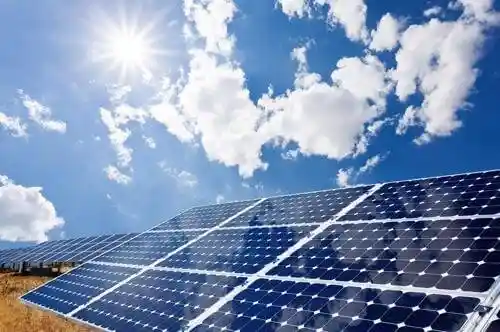
Solar energy uses sunlight to generate electricity through photovoltaic panels or produce heat through solar thermal systems. It is widely used in homes, commercial buildings, and industrial facilities.
Solar power is renewable and produces no direct emissions during electricity generation, although its output depends on sunlight availability.
Hydropower:

Hydropower converts the energy of flowing or falling water into electricity using turbines and generators.
It is a mature renewable energy technology that can provide reliable electricity. However, large hydropower projects may affect river ecosystems and local environments.
Geothermal Energy:
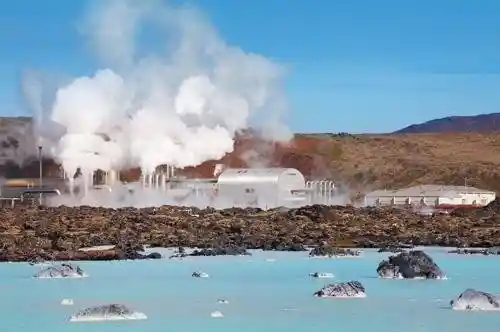
Geothermal energy harnesses heat from within the Earth for electricity generation and heating applications.
Unlike solar and wind energy, geothermal systems can provide continuous energy output in suitable geological locations.
Biomass Energy:
Biomass energy uses organic materials such as agricultural residues, wood, and organic waste to produce heat, electricity, or biofuels.
It can be renewable when resources are sustainably managed, but its environmental benefits depend on feedstock sourcing and emissions control.
II. Advantages of Clean Energy
Clean energy offers several environmental and economic advantages over conventional fossil fuel-based energy systems.
Environmental Benefits
- Lower Greenhouse Gas Emissions: Most clean energy technologies generate electricity with significantly lower lifecycle carbon emissions.
- Reduced Air Pollution: Clean electricity can reduce emissions of sulfur dioxide, nitrogen oxides, and particulate matter.
- Resource Sustainability: Renewable energy uses naturally replenished resources, reducing dependence on finite fossil fuels.
Economic Benefits
- Lower Fuel Costs: Solar and wind systems do not require purchased fuel during electricity generation.
- Improved Energy Security: Developing local clean energy resources can reduce dependence on imported fossil fuels.
- Industrial Development: Clean energy creates opportunities in equipment manufacturing, engineering, installation, and maintenance.
However, clean energy also faces challenges, including high initial investment, variable electricity generation, energy storage requirements, and grid integration.
III. Wind Power: An Important Clean Energy Source
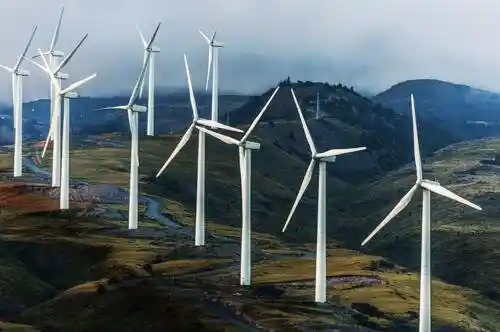
Wind power is one of the major clean energy technologies used worldwide.
How Does Wind Power Work?
Wind turbines use aerodynamic blades to capture wind energy. The rotating blades drive a generator, either through a gearbox or directly, converting mechanical energy into electricity.
Advantages of Wind Power
- Renewable: Wind is a naturally replenished energy resource.
- Low Emissions: Wind turbines generate electricity without direct combustion emissions.
- Scalable: Wind farms can be developed on land or offshore where conditions are suitable.
- Cost Competitive: Advances in turbine technology and manufacturing have improved wind energy efficiency and economics.
The continued expansion of wind power demonstrates how clean energy can support electricity demand while reducing reliance on fossil fuels.
IV. Manufacturing Technologies Behind Wind Energy
The development of clean energy depends on reliable equipment and advanced manufacturing technologies.
For example, wind turbine blades are commonly made from Glass Fiber Reinforced Polymer (GFRP), with Carbon Fiber Reinforced Polymer (CFRP) used in selected applications. These materials provide high strength, low weight, and fatigue resistance.
Blade manufacturing generally involves aerodynamic design, mold preparation, composite lay-up, resin infusion, curing, and quality inspection.
Precision manufacturing is also essential for producing molds, tooling, and structural components used in wind energy equipment.
V. How Does Precision Machining Support Clean Energy Development?
As clean energy technologies continue to advance, the demand for reliable, high-precision equipment components is increasing. From wind turbines to hydropower systems, precision machining plays an important role in manufacturing the structural parts, molds, and mechanical components required for energy generation.
In wind energy manufacturing, for example, gantry machining centers are used to machine large blade molds, structural components, and production tooling. Their large working areas and CNC capabilities help manufacturers achieve dimensional accuracy and consistent production quality.
Similar machining technologies also support other clean energy applications, including turbine components for hydropower systems and selected parts used in solar energy equipment.
By improving component accuracy and manufacturing consistency, precision machining helps support the production of reliable clean energy equipment.
VI. Conclusion
Clean energy plays an important role in reducing greenhouse gas emissions, improving air quality, and supporting sustainable development.
Solar energy, wind power, hydropower, geothermal energy, and biomass each offer different benefits and applications. Their continued growth depends on technological innovation, effective energy infrastructure, and responsible environmental management.
Advanced manufacturing also supports clean energy development by producing reliable equipment and components.
For industrial machining solutions used in energy equipment manufacturing, explore MINNUO.
 Email
 sales1: +86 15312799623