



High Precision CNC Machining: The Ultimate Guide to Tolerances, Materials & Applications
In industries where every fraction of a millimeter matters—aerospace, medical, automotive, and beyond—high precision CNC machining is not just a luxury; it’s a necessity. High precision CNC machining delivers consistent, accurate, and repeatable parts that meet the strictest standards, ensuring product reliability, safety, and performance. But what exactly is high precision CNC machining, how do tolerances work, which materials are best suited for it, and where is it most critical?
This ultimate guide breaks down everything you need to know about high precision CNC machining, focusing on the three pillars that define its success: tolerances, materials, and applications. Whether you’re a manufacturer looking to integrate high precision processes, a buyer sourcing precision parts, or an engineer optimizing your production line, this guide provides clear, actionable insights to help you leverage high precision CNC machining for better results.
What Is High Precision CNC Machining?
High precision CNC machining is a computer-controlled manufacturing process that produces parts with extremely tight tolerances, exceptional surface finishes, and consistent accuracy across large production runs. Unlike standard CNC machining, which typically handles tolerances of ±0.01mm or wider, high precision CNC machining can achieve tolerances as tight as ±0.001mm (1 micron)—and in some cases, even tighter.
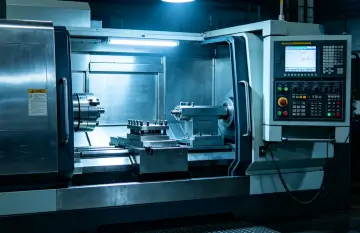
This level of precision is made possible by advanced CNC machines (often 5-axis or high-speed models), high-quality cutting tools, sophisticated CAD/CAM software, and skilled operators who specialize in precision setup and calibration. High precision CNC machining eliminates human error, reduces waste, and ensures that every part meets or exceeds design specifications—critical for industries where even the smallest deviation can lead to product failure or safety risks.
Understanding High Precision CNC Machining Tolerances
Tolerances are the foundation of high precision CNC machining—they define the acceptable range of variation from the exact design dimensions. For high precision applications, tolerances are measured in microns (1 micron = 0.001mm), and even a tiny deviation can render a part useless. Below, we break down the key aspects of tolerances in high precision CNC machining.
What Are Typical Tolerances for High Precision CNC Machining?
Tolerances vary based on the application, material, and part complexity, but here are the standard ranges for high precision CNC machining:
- Standard high precision: ±0.005mm to ±0.01mm (5–10 microns) – Ideal for automotive components, electronics, and general precision parts.
- Ultra-high precision: ±0.001mm to ±0.005mm (1–5 microns) – Used for aerospace components, medical devices, and micro-components.
- Micromachining: Below ±0.001mm (less than 1 micron) – For tiny parts like microelectronics, medical implants, and precision gears.
Pro tip: The tighter the tolerance, the more complex and costly the machining process. It’s important to balance precision needs with budget—only specify tighter tolerances if they are truly required for the part’s function.
Factors That Affect Tolerances in High Precision CNC Machining
Achieving consistent high precision isn’t just about the machine—it’s about controlling every variable that can impact accuracy. Key factors include:
- Machine quality: High precision CNC machines (with rigid frames, high-quality linear guides, and precision spindles) are essential. 5-axis machines offer greater flexibility and accuracy for complex parts.
- Cutting tools: Carbide, diamond, or ceramic cutting tools maintain sharpness and stability at high speeds, reducing tool wear and ensuring consistent cuts.
- Material properties: Harder materials (e.g., titanium, stainless steel) require more precise machining than softer materials (e.g., aluminum), as they are more prone to tool deflection.
- Calibration: Regular machine calibration (using tools like ball bar testers or laser interferometers) ensures the machine maintains accuracy over time.
- Environmental conditions: Temperature fluctuations, vibration, and dust can affect precision. High precision machining shops often have climate-controlled environments to minimize these variables.
Best Materials for High Precision CNC Machining
Not all materials are equally suited for high precision CNC machining. The best materials are those that are stable, machinable, and have consistent properties—minimizing distortion during machining and ensuring tight tolerances. Below are the most common materials used in high precision CNC machining, along with their benefits and applications.
1. Metals
- Aluminum (6061, 7075): Lightweight, machinable, and cost-effective. Ideal for high precision parts in aerospace, automotive, and electronics. Achieves tolerances of ±0.005mm easily.
- Stainless Steel (304, 316): Corrosion-resistant, strong, and durable. Used for medical devices, food processing equipment, and marine components. Tighter tolerances (±0.001–0.005mm) are achievable with proper tooling.
- Titanium (Ti-6Al-4V): High strength-to-weight ratio, biocompatible, and corrosion-resistant. Critical for aerospace and medical implants. Requires specialized tooling but can achieve ultra-high precision (±0.001mm).
- Brass & Copper: Excellent machinability and electrical conductivity. Used for precision electrical components, connectors, and valves. Tolerances of ±0.002–0.005mm are standard.
2. Plastics
- Delrin (Acetal): Low friction, high stiffness, and dimensional stability. Used for precision gears, bearings, and automotive components. Achieves tolerances of ±0.003–0.005mm.
- PEEK: High temperature resistance, chemical resistance, and biocompatibility. Ideal for medical devices and aerospace parts. Tighter tolerances (±0.002–0.004mm) are possible with careful machining.
- Polycarbonate: Transparent, impact-resistant, and machinable. Used for precision optical components and enclosures. Tolerances of ±0.005mm are standard.
3. Composites
Carbon fiber composites and fiberglass are increasingly used in high precision CNC machining for aerospace and automotive applications. They offer high strength, lightweight, and rigidity, but require specialized machining techniques to avoid delamination and ensure precision (typically ±0.005–0.01mm).
Key Applications of High Precision CNC Machining
High precision CNC machining is critical in industries where accuracy, reliability, and safety are non-negotiable. Below are the most common applications, highlighting why precision matters and how high precision CNC machining delivers value.
1. Aerospace Industry
Aerospace components (e.g., turbine blades, engine parts, aircraft structural components) require ultra-high precision to ensure safety and performance. Even a tiny deviation can lead to catastrophic failure. High precision CNC machining (often 5-axis) produces parts with tolerances as tight as ±0.001mm, ensuring compatibility, durability, and compliance with strict aerospace standards (e.g., AS9100).
2. Medical Device Industry
Medical devices—from surgical instruments to implants (e.g., hip replacements, dental implants)—require biocompatibility, consistency, and extreme precision. High precision CNC machining produces parts that fit perfectly, reduce patient risk, and meet FDA and ISO 13485 standards. For example, dental implants require tolerances of ±0.002mm to ensure a secure fit in the patient’s jaw.
3. Automotive Industry
Modern automotive (especially electric vehicles) relies on high precision CNC machining for engine components, transmission parts, and EV battery components. Tight tolerances (±0.005mm) ensure optimal performance, fuel efficiency, and durability. For example, EV motor parts require precise machining to reduce friction and extend battery life.
4. Electronics Industry
Miniaturization in electronics (e.g., microchips, connectors, sensors) demands high precision CNC machining. Parts like micro-connectors and sensor components require tolerances below ±0.005mm to ensure electrical conductivity and compatibility with tiny electronic assemblies.
5. Mold & Die Industry
Molds and dies for injection molding, die casting, and stamping require high precision to produce consistent, high-quality parts. High precision CNC machining ensures that mold cavities and cores have tight tolerances (±0.001–0.005mm), reducing part defects and extending mold life.
Benefits of High Precision CNC Machining
Investing in high precision CNC machining delivers long-term value for manufacturers and buyers alike. Key benefits include:
- Reduced waste: Tight tolerances mean fewer rejected parts, lowering material and labor costs.
- Improved product reliability: Consistent precision ensures parts fit and function as intended, reducing product failures.
- Compliance with industry standards: Meets strict regulations in aerospace, medical, and automotive industries.
- Competitive advantage: Ability to produce complex, high-precision parts that competitors may not offer.
- Scalability: High precision CNC machines can handle small batches, prototypes, and large production runs with consistent accuracy.
How to Choose a High Precision CNC Machining Supplier
If you’re sourcing high precision CNC parts, choosing the right supplier is critical. Look for these key factors:
- Proven precision capabilities: Ask for tolerance certificates, calibration records, and sample parts to verify their accuracy.
- Advanced equipment: Ensure they use high precision CNC machines (5-axis, high-speed) and quality cutting tools.
- Industry experience: Choose a supplier with experience in your industry (e.g., medical, aerospace) to ensure compliance with standards.
- Quality control processes: Look for suppliers with ISO 9001, AS9100, or ISO 13485 certification and robust QC systems.
- Transparent communication: A reliable supplier will provide clear quotes, lead times, and updates on your order.
Conclusion
High precision CNC machining is the backbone of modern manufacturing in industries where accuracy and reliability are critical. By understanding tolerances, choosing the right materials, and leveraging its applications, you can produce parts that meet the strictest standards, reduce waste, and gain a competitive edge.
Whether you’re manufacturing aerospace components, medical devices, or automotive parts, high precision CNC machining delivers consistent, repeatable results that drive success. By partnering with the right supplier and optimizing your processes, you can unlock the full potential of high precision CNC machining for your business.
 Email
Email sales1: +86 15312799623