



How to Choose a High Precision CNC Machining Service for Your Business
When your business relies on high precision CNC machining to produce critical parts—whether for aerospace, medical, automotive, or electronics—choosing the right service provider is make-or-break. High precision CNC machining demands accuracy, consistency, and reliability, and the wrong service can lead to costly delays, defective parts, wasted materials, and damage to your brand reputation. But with so many CNC machining services on the market, how do you select the one that aligns with your business needs, budget, and quality standards?
This guide breaks down the step-by-step process to choose a high precision CNC machining service that delivers on its promises. We’ll cover the key factors to evaluate, red flags to avoid, and questions to ask potential suppliers—all tailored to help you make an informed decision that supports your business goals. Whether you’re sourcing small-batch prototypes or large-volume production runs, these insights will ensure you partner with a service that excels at high precision CNC machining.
1. Define Your High Precision CNC Machining Requirements First
Before you start researching suppliers, you need to clearly outline your specific needs for high precision CNC machining. This clarity will help you narrow down your options and avoid wasting time on services that can’t meet your standards. Key requirements to define include:
- Tolerance Needs: What is the required tolerance for your parts? High precision CNC machining typically ranges from ±0.001mm to ±0.01mm, but some services specialize in ultra-high precision (below ±0.001mm) while others focus on standard high precision. Be specific—e.g., “parts require ±0.002mm tolerance for aerospace components.”
- Material Compatibility: What materials will you be machining? High precision CNC machining works with a range of materials, including titanium, stainless steel, aluminum, PEEK, and composites, but not all services have experience with every material. Harder materials (like titanium) require specialized tooling and expertise.
- Part Complexity: Are your parts simple (e.g., basic gears) or complex (e.g., 5-axis aerospace components)? Some high precision CNC machining services specialize in complex parts, while others focus on simpler, high-volume production.
- Production Volume: Do you need small-batch prototypes, medium runs, or large-scale production? Services may excel at one volume type—e.g., a service that specializes in prototypes may not be cost-effective for large runs.
- Lead Time: What is your required turnaround time? High precision CNC machining takes longer than standard machining, but lead times vary by supplier. Be clear on deadlines to avoid delays.
- Industry Standards: Do your parts need to comply with specific industry standards (e.g., AS9100 for aerospace, ISO 13485 for medical devices)? Not all high precision CNC machining services are certified to meet these strict standards.
Pro tip: Document your requirements in a clear checklist—this will make it easier to compare suppliers and ensure no critical detail is overlooked.
2. Verify the Supplier’s High Precision CNC Machining Capabilities
Not all CNC machining services are created equal—especially when it comes to high precision. You need to verify that a supplier has the equipment, expertise, and processes to deliver the accuracy you need. Here’s how to assess their capabilities:
Check Their Equipment and Technology
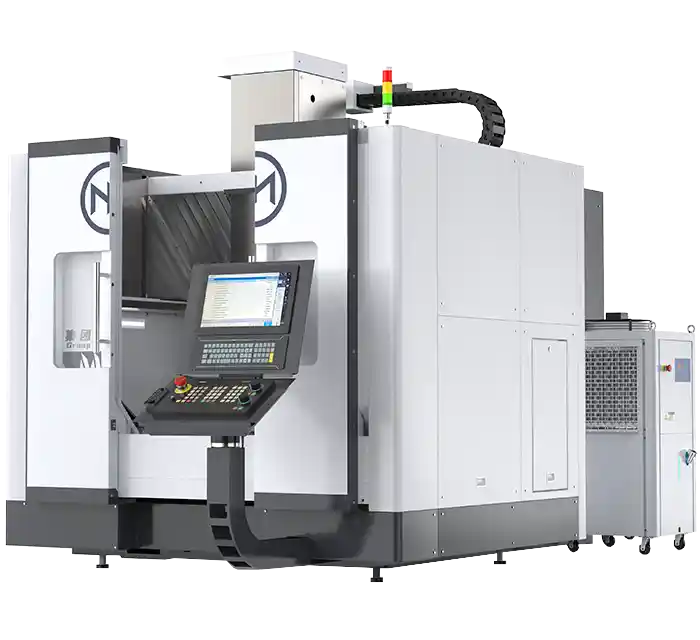
High precision CNC machining requires advanced equipment. Ask potential suppliers about their machines: Do they use 5-axis CNC machines (ideal for complex parts)? Do they have high-speed machining (HSM) capabilities? Are their machines calibrated regularly to maintain precision? Look for suppliers that invest in modern, well-maintained equipment—this is a sign they take high precision seriously.
Additionally, inquire about their CAD/CAM software and quality control tools. High precision CNC machining relies on sophisticated software to program tool paths and ensure accuracy, as well as tools like laser interferometers, ball bar testers, and coordinate measuring machines (CMMs) to verify part quality.
Review Their Experience and Expertise
Experience matters in high precision CNC machining. Ask suppliers about their track record: How long have they been providing high precision services? Do they have experience in your industry (e.g., medical, aerospace)? Can they provide case studies or examples of parts they’ve machined with similar tolerances and materials to yours?
Don’t hesitate to ask about their team—are their operators and engineers trained in high precision machining? Do they have specialists who focus on your specific material or part type? A team with deep expertise will be able to troubleshoot issues, optimize processes, and ensure consistent quality.
Request Samples and Tolerance Certificates
The best way to verify a supplier’s high precision capabilities is to see their work firsthand. Ask for samples of parts they’ve machined with similar tolerances to yours—this will allow you to inspect the surface finish, accuracy, and consistency. Additionally, request tolerance certificates (e.g., ISO 9001, AS9100) to confirm their processes meet industry standards.
3. Evaluate Quality Control Processes
Quality control (QC) is non-negotiable for high precision CNC machining. Even the best equipment and expertise won’t deliver consistent results without robust QC processes. When evaluating suppliers, ask about their QC protocols:
- In-Process Inspection: Do they inspect parts during machining (e.g., using probing systems) to catch deviations early? This reduces waste and ensures defects are addressed before production is complete.
- Final Inspection: How do they verify that finished parts meet your tolerance requirements? Do they use CMMs, optical comparators, or other precision measuring tools?
- Documentation: Will they provide detailed inspection reports for each batch of parts? This documentation is critical for compliance with industry standards and quality assurance.
- Error Prevention: What processes do they have in place to prevent errors (e.g., double-checking programs, regular machine calibration, operator training)?
A reliable high precision CNC machining service will have transparent QC processes and be willing to walk you through how they ensure quality.
4. Consider Cost and Value (Not Just Price)
Cost is an important factor, but it shouldn’t be the only one when choosing a high precision CNC machining service. Opting for the cheapest service may save you money upfront, but it can lead to costly defects, delays, and rework down the line. Instead, focus on value—the balance between quality, reliability, and cost.
When comparing quotes, ask for a detailed breakdown of costs: What is included in the price (e.g., materials, machining, QC, shipping)? Are there any hidden fees (e.g., setup fees, rush fees)? A transparent supplier will provide a clear quote and explain how they calculate costs.
Remember: High precision CNC machining is an investment. A slightly higher price may be worth it for a service that delivers consistent quality, meets deadlines, and reduces waste.
5. Assess Communication and Customer Service
Effective communication is key to a successful partnership with a high precision CNC machining service. You need a supplier that is responsive, transparent, and willing to collaborate. Here’s what to look for:
- Responsiveness: Do they reply to your inquiries promptly? Do they answer your questions thoroughly? A slow or unresponsive supplier may struggle to meet your deadlines.
- Transparency: Will they provide regular updates on your order (e.g., production progress, any issues that arise)? Do they communicate potential delays early?
- Collaboration: Are they willing to work with you to optimize your part design for high precision machining? Can they offer suggestions to reduce costs or improve quality?
- Post-Delivery Support: What happens if a batch of parts doesn’t meet your requirements? Will they offer rework or replacements? A reliable supplier stands behind their work.
6. Watch for Red Flags
When evaluating high precision CNC machining services, be on the lookout for these red flags that indicate a supplier may not be reliable:
- They can’t provide samples, case studies, or tolerance certificates.
- They avoid answering questions about their equipment, QC processes, or team expertise.
- Their quote is significantly lower than other suppliers (this often indicates cutting corners on quality or equipment).
- They have poor reviews or no references from clients in your industry.
- They are unresponsive or vague about lead times and order updates.
7. Ask the Right Questions Before Making a Decision
To finalize your choice, ask potential high precision CNC machining services these critical questions:
- What is the tightest tolerance you can consistently achieve?
- Do you have experience machining [your material] for [your industry]?
- How often do you calibrate your CNC machines?
- What QC processes do you have in place to ensure precision?
- Can you provide a detailed quote with no hidden fees?
- What is your typical lead time for [your production volume]?
- Do you offer post-delivery support (e.g., rework, replacements)?
- Can you provide references from clients with similar needs?
Conclusion: Choose a High Precision CNC Machining Service That Partners With Your Business
Choosing the right high precision CNC machining service is more than just selecting a supplier—it’s partnering with a team that understands your business needs, prioritizes quality, and delivers on its promises. By defining your requirements, verifying capabilities, evaluating QC processes, focusing on value, and assessing communication, you can find a service that helps you produce high-quality, precise parts that drive your business forward.
Remember: High precision CNC machining is a critical component of your production process. Taking the time to research and vet suppliers will save you time, money, and headaches in the long run. With the right partner, you can leverage high precision CNC machining to gain a competitive edge, meet industry standards, and deliver exceptional products to your customers.
 Email
Email sales1: +86 15312799623